 |
|  |
|  |
|  |
| 
E-mail: kobol@jfbathroom.com

Tel: (86)768-2992129


NEWS CENTER
—
Are bidet toilets actually hygienic? The hidden cleaning and maintenance realities no one talks about
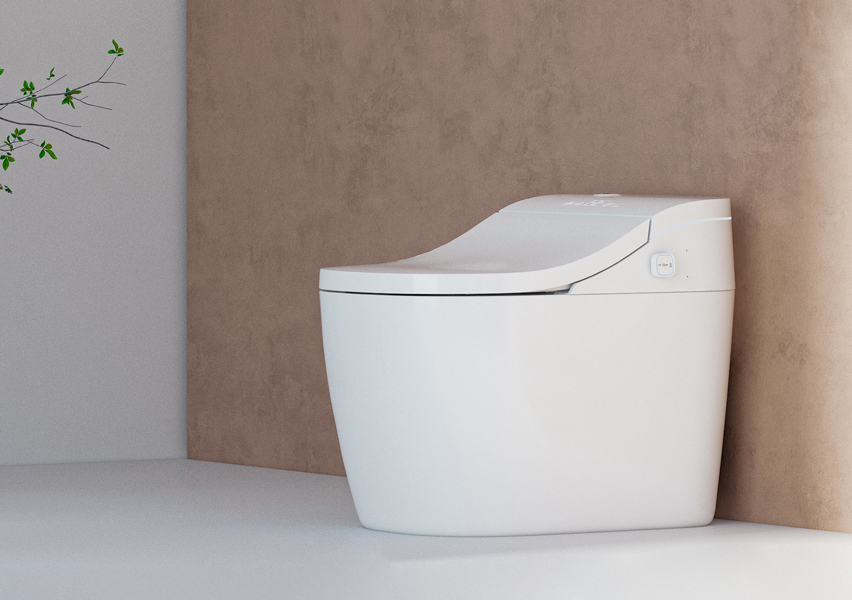
Bidet toilets have rapidly evolved from a luxury novelty into a mainstream standard for personal hygiene. For millions making the switch, the promise is irresistible: a fresher, gentler, and far more eco-friendly experience than traditional toilet paper. But beneath the polished aesthetics and automated convenience lies a crucial question that rarely gets answered clearly: Are bidet toilets actually hygienic, or are they hiding unseen sanitary risks?
While washing with water is inherently superior to dry paper, a bidet is still an intricate fixture operating in a high-moisture environment. Without proper design and routine care, splashback on spray wands, mineral buildup from hard water, and stagnant internal reservoirs can quietly compromise the very cleanliness you bought a bidet to achieve.
At Joy & Fortune, our engineering and manufacturing teams have spent decades perfecting high-performance ceramic sanitary ware and smart toilet innovations. We know firsthand that true bathroom luxury depends on uncompromising sanitation—both on the surface and inside the internal mechanics. In this comprehensive guide, we pull back the curtain on the hidden cleaning realities no one talks about, giving you the scientific facts, maintenance schedules, and technical insights needed to keep your bidet operating flawlessly and completely hygienic.
The Bidet Hygiene Paradox: Water vs. Bacteria
At first glance, bidets seem vastly superior to traditional toilet paper for personal hygiene. Washing with water eliminates friction and removes waste far more thoroughly than dry paper ever can. However, true cleanliness is far from automatic. While water effectively flushes bacteria away, uncleaned nozzles, improper spray angles, and stagnant internal reservoirs can quietly introduce cross-contamination and backflow risks. Resolving the bidet hygiene paradox requires looking beyond surface freshness to evaluate both external washing mechanics and internal sanitization engineering.
Paper vs. Water: The Science of Effective Washing
Dry wiping with toilet paper relies on friction, which often smears fecal matter rather than removing it entirely. Microscopic skin folds easily trap residual bacteria such as E. coli, heightening the risk of skin irritation and cross-contamination. In contrast, a targeted water stream dissolves and flushes away organic waste without abrasive contact.
Microbiological studies confirm that water cleansing drastically reduces residual surface bacteria while preserving the skin's natural moisture barrier. By eliminating aggressive rubbing, water provides superior hygiene, prevents micro-abrasions, and leaves the skin thoroughly sanitized.
The Hidden Risk: Nozzle Contamination and Cross-Infection
While water offers superior cleaning, bidet nozzles can harbor bacteria if improperly designed or maintained. During use, splashback containing fecal coliforms can land directly on the nozzle tip. If left uncleaned, these pathogens multiply, creating a risk of cross-infection.
Improper nozzle positioning or excessive water pressure can also propel contaminated droplets toward sensitive areas, increasing the likelihood of urinary tract infections (UTIs) or localized skin irritation. To mitigate these risks, modern bidets utilize angled spray positioning, automatic wand retraction, and anti-splash geometry. However, regular surface sanitization remains essential to prevent bacterial transfer and ensure every spray remains completely sterile.
Understanding Backflow and Internal Reservoir Cleanliness
Behind visible spray mechanics lies a critical unseen factor: internal fluid dynamics. Without proper isolation, siphoning or sudden pressure drops can cause backflow, drawing contaminated wash water back into your household supply. High-quality bidet systems prevent this risk using integrated air gaps and vacuum breakers to maintain physical separation between waste and potable water lines.
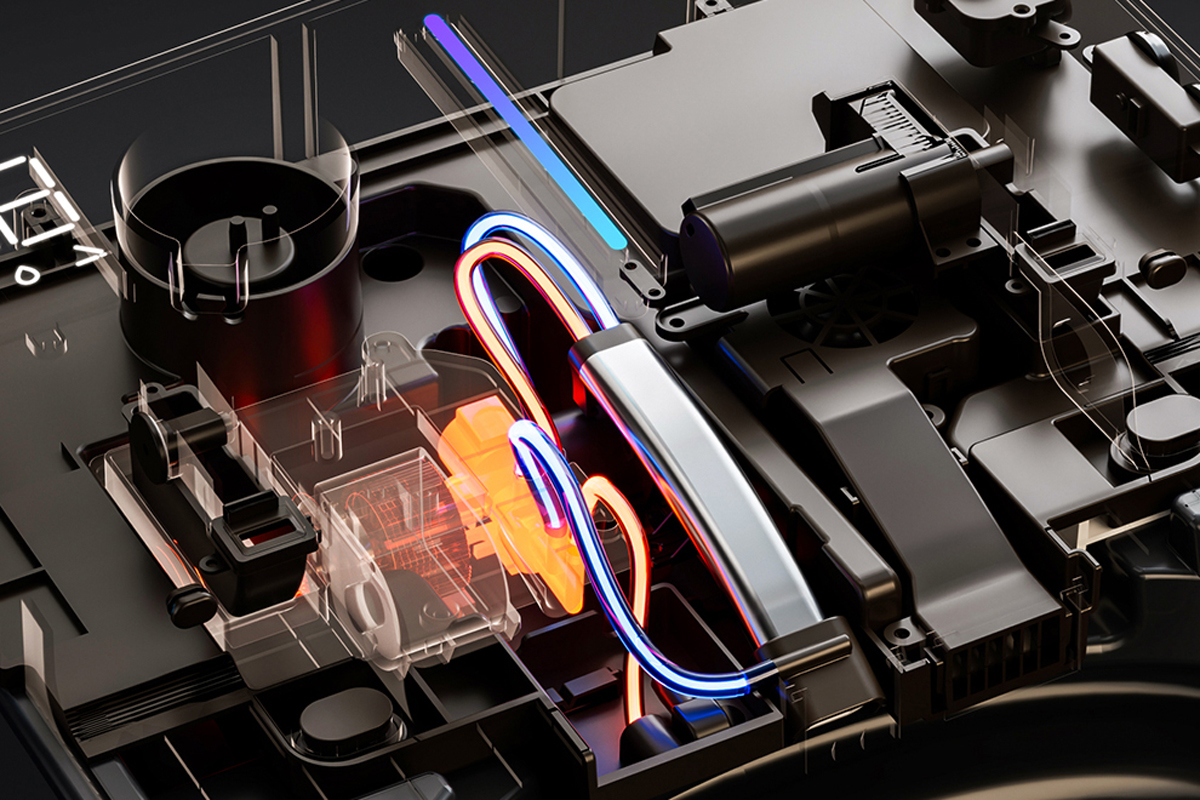
Additionally, internal heating tanks present hidden sanitation risks. Stagnant, lukewarm water left inside unvented reservoirs creates an ideal breeding ground for biofilm and bacterial growth. Modern smart bidets eliminate this hazard through continuous flow-through heating or automated tank-purge cycles, ensuring standing water never compromises overall spray hygiene.

Essential Bidet Cleaning Realities You Can' t Ignore
A bidet toilet can dramatically elevate personal hygiene, but it is far from a self-maintaining appliance. Achieving true long-term sanitation requires consistent, deliberate upkeep to prevent bacterial growth, mineral scale, and physical degradation. Failing to clean regularly—or using the wrong cleaning methods—can quickly turn a health-focused fixture into a source of contamination or mechanical failure. Staying hygienic means establishing practical cleaning schedules, addressing hard water buildup, and selecting gentle products that preserve delicate internal seals and protective ceramic glazes.
The Daily and Weekly Sanitization Routines
Maintaining true bidet hygiene requires a dual-tier cleaning regimen. Daily maintenance takes under a minute: wipe down the nozzle guard, seat hinges, and surrounding ceramic with a damp microfiber cloth and mild disinfectant to eliminate fresh splashback.
Weekly care demands a deeper approach. Activate the nozzle extraction mode—or manually extend the wand on non-electric units—to scrub the spray tip gently using a soft-bristled brush and neutral detergent. Unlatch quick-release seats to clear hidden grime along mounting brackets. Establishing this two-step routine prevents biofilm accumulation and keeps both basic attachments and advanced smart toilets operating safely.
Hard Water, Limescale, and Nozzle Clogging Risks
Hard water poses a silent threat to bidet hygiene and mechanical performance. High concentrations of calcium and magnesium form stubborn limescale deposits around delicate spray orifices. Over time, this mineral buildup restricts water flow, alters spray patterns, and creates microscopic, rough surfaces where bacteria easily anchor and multiply.
To prevent clogging and microbial growth, regular descaling is essential. Soaking removable nozzle tips in diluted white vinegar or applying a mild descaling agent dissolves mineral crust without eroding rubber seals. Installing inline sediment filters further traps dissolved minerals before they enter internal solenoid valves, preserving water pressure and safeguarding long-term operational cleanliness.
Cleaning Products to Avoid: Preventing Material Degradation
Using harsh chemicals to sterilize your bidet can backfire by causing permanent material damage. Aggressive agents like bleach, ammonia, and acetone-based solvents degrade internal rubber seals, embrittle plastic wands, and strip specialized antibacterial ceramic glazes.
Similarly, abrasive powders and stiff scouring pads create microscopic scratches across smooth surfaces. These micro-fissures trap organic matter, turning polished components into permanent breeding grounds for bacteria. Furthermore, chemical corrosion frequently causes internal valve leaks and voids manufacturer warranties. Stick strictly to mild, pH-neutral soaps applied with soft microfiber cloths to protect structural integrity and maintain an easily cleanable, hygienic surface.

Modern Hygiene Features: What Works and What’s Just Marketing?
Modern bidet toilets are packed with high-tech features promising hands-free cleanliness, but separating genuine sanitation engineering from clever marketing gimmicks is crucial. Innovations like automated nozzle retraction, UV-C sterilization, and electrolyzed water actively destroy bacteria inside hidden components. When combined with non-porous stainless steel wands and high-fired antibacterial ceramic glazes, these technologies drastically reduce bacterial accumulation. Understanding how these features function—and where their limitations lie—helps you choose a fixture that delivers authentic, long-term hygiene.
Self-Cleaning and Retracting Nozzles: How Reliable Are They?
Automatic self-cleaning and motorized retraction serve as primary defense mechanisms in modern bidets. Retracting wands remain housed behind protective shield doors when idle, preventing direct exposure to waste splashback during standard flushing. Before and after every activation, targeted water jets automatically rinse the nozzle surface to flush away fresh particulates and droplets.
While highly effective at minimizing daily surface debris, these automated rinses rely solely on ambient water pressure. They cannot eliminate sticky organic residues, bacterial biofilm, or mineral scaling over time. Self-cleaning functionality drastically reduces maintenance frequency, but it acts as an additive hygiene layer rather than a total replacement for manual scrubbing.
UV Sterilization and Electrolyzed Water Technologies
To bridge the gap between manual cleanings, high-end smart toilets incorporate automated, chemical-free sanitization technologies. Electrolyzed water systems convert standard tap water via electrolysis into a mild antibacterial solution. This solution automatically flushes internal channels and nozzle tips, breaking down organic waste and preventing biofilm formation without degrading hardware components.
Complementing this, integrated UV-C lights activate inside the protective wand housing while idle. By emitting short-wavelength ultraviolet radiation directly onto nozzle surfaces, UV-C light disrupts bacterial and viral DNA, achieving near-complete pathogen elimination. Together, electrolyzed water and UV sterilization provide active, round-the-clock defense, maintaining near-sterile conditions across internal waterways.
Antibacterial Glazes and Stainless Steel vs. Plastic Wands
Hardware material choices play a vital role in preventing microbial colonization. Plastic wands, while cost-effective, are prone to micro-scratches during routine cleaning. These microscopic grooves trap bacteria, moisture, and grime, creating stubborn breeding grounds. In contrast, seamless stainless steel wands are non-porous, corrosion-resistant, and inherently hostile to bacterial adhesion.
At the bowl level, specialized hydrophilic glazes infused with silver ions prevent waste buildup. Fired at high temperatures, these ultra-smooth coatings reduce surface porosity, allowing flushing water to wash away residue effortlessly. Selecting stainless steel components paired with advanced antibacterial glazes ensures superior surface hygiene and long-term durability.

Long-Term Maintenance: Keeping Your Bidet Truly Sanitary
Maintaining a bidet toilet isn’t just about short-term surface cleanliness—it requires consistent, long-term attention to hidden components. Over months and years of continuous use, inline filters collect sediment, internal seals wear down, and stagnant water or trapped splashback can generate persistent odors. Safeguarding your investment and personal health means going beyond daily wiping to manage filtration cycles, inspect internal valves, and troubleshoot subtle odor sources. By prioritizing long-term maintenance, you ensure your bidet operates reliably while delivering truly sterile, refreshing performance year after year.
Replacing Water Filters and Deodorizing Cartridges
Long-term bidet sanitation relies on replacing consumable filtration components on schedule. Inline sediment and activated carbon water filters trap rust, sand, and heavy metals, protecting delicate internal solenoid valves and ensuring clean spray water. Manufacturers typically recommend replacing water filters every four to six months, depending on regional water quality.
Similarly, integrated automatic deodorizers utilize catalytic carbon blocks to neutralize airborne odors directly at the bowl source. Over time, humidity and dust saturate these filter materials, reducing their effectiveness. Replacing deodorizing cartridges annually—and cleaning air intake vents monthly—prevents stagnant smells from lingering and maintains crisp, hygienic bathroom air quality.
Inspecting and Cleaning Internal Valves and Seals
Preventing hidden sanitation hazards requires routine inspection of internal plumbing mechanisms. Over time, sediment and mineral debris accumulate in the mesh inlet filter, restricting water flow and lowering spray pressure. Removing and rinsing this filter under running water every few months restores optimal performance.
Additionally, rubber O-rings and electronic solenoid valves require periodic checks. Aging seals can develop micro-leaks, creating a damp, enclosed environment inside the bidet housing where mold, mildew, and bacteria thrive undetected. Replacing worn gaskets and ensuring tight valve connections prevents internal moisture accumulation, protects electrical circuitry, and maintains system-wide hygiene over years of continuous use.
Troubleshooting Foul Odors and Stagnant Water Issues
Persistent bidet odors often stem from stagnant water or hidden organic buildup rather than the toilet bowl itself. If left unused for extended periods, standing water inside internal supply lines or heating reservoirs can develop a stale, musty smell. Running a manual purge cycle completely flushes out old water and restores freshness.
Another common culprit is urine splashback trapped beneath quick-release seat hinges and mounting brackets. Detaching the seat assembly allows deep cleaning of these overlooked crevices where odor-causing bacteria multiply. If unpleasant smells persist despite thorough cleaning, inspect internal air channels for mold or replace saturated catalytic deodorizing filters to maintain crisp bathroom air.

Bidet toilets offer an undeniably superior, fresher approach to personal hygiene—provided they are backed by smart engineering and simple, consistent maintenance. As we have explored, achieving true sanitation isn't about fearing hidden bacteria, but rather selecting high-quality hardware and establishing a straightforward upkeep routine. By combining non-porous materials, routine filter replacements, and automated cleaning cycles, you can enjoy all the wellness benefits of water cleansing without compromising on safety.
At Joy & Fortune, we believe that pristine hygiene should be engineered directly into the fixture itself. From our precision anti-backflow water paths and self-cleaning spray wands to our ultra-smooth, high-temperature ceramic glazes, every smart toilet and sanitary fixture we design is built to make long-term cleanliness effortless. When advanced manufacturing standards meet proper everyday care, your bathroom becomes what it was always meant to be: a comfortable, worry-free sanctuary of health and elevated living.
Related news
-

What are the best toilet brands for reliability, durability, and budget?
Few fixtures in your home work harder or impact your daily comfort more than the
-
How do I measure my old toilet to make sure the new replacement fits perfectly
Upgrading your bathroom with a modern fixture should be an exciting renovation—n
-
What does "toilet rough-in" mean, and how do I measure mine in 2 minutes?
A toilet rough-in is the clearance distance measured from the finished wall behi
-
Why are cheap bathroom vanities so cheap? Hidden traps like low-grade particle board and missing tops.
At first glance, an ultra-low price tag on a brand-new bathroom vanity feels lik
-
Big-box home store vs. online discount retailers: Where do you get the best deal on bathroom vanities?
Upgrading your bathroom vanity is one of the most impactful choices in any renov
-
What are standard bathroom vanity sizes, and how do I pick the right width for my space?
Choosing the right bathroom vanity size is one of the most critical decisions in




Premium sanitary ware manufacturer since 1992. Delivering reliable global B2B solutions.


Contact
Address: No. 12, Guayuan East Road, Changmei Second Village, Fengxi District, Chaozhou City, Guangdong Province, China
Email: kobol@jfbathroom.com
WhatsApp/Tel: [+86-135-3399-8998]
Working Hours: Mon - Sat: 9:00 AM - 6:00 PM (UTC+8)
Copyright © 2026 Joy&Fortune Ltd. All Rights Reserved.


